
Potash (MOP 0-0-60), commonly known as Muriate of Potash, is a potassium-rich fertilizer mainly composed of potassium chloride (KCl). It is one of the most widely used potassium fertilizers in global agriculture due to its high nutrient concentration and cost-effectiveness.
Potassium is one of the three essential macronutrients required by plants, alongside nitrogen (N) and phosphorus (P). Without sufficient potassium, plants cannot effectively regulate water uptake, nutrient transport, photosynthesis, enzyme activation, or stress resistance. Consequently, it has become an indispensable component of modern farming systems worldwide.
Muriate of Potash typically contains approximately 60% to 62% potassium oxide (K₂O), making it the most economical and concentrated source of potassium available to farmers. Due to its high nutrient content and relatively affordable price, it is extensively used in the cultivation of cereals, oilseeds, fruits, vegetables, sugar crops, plantation crops, and industrial crops.
The growing global population, increasing food demand, shrinking arable land, and need for sustainable agricultural practices continue to drive the demand for Potash fertilizers. Today, it remains one of the pillars supporting global food security and agricultural sustainability.
What is Potash?
It refers to various potassium-containing salts that are mined and processed for agricultural and industrial applications. In the fertilizer industry, Potash most commonly refers to Potassium Chloride (KCl), which is marketed as Muriate of Potash (MOP).
The term “Potash” originated centuries ago when potassium salts were extracted by soaking wood ashes in water and evaporating the solution in large iron pots. Although modern production methods have evolved significantly, the historical name has remained unchanged.
Today, commercial Potash is extracted primarily from underground mineral deposits and evaporated brine reservoirs. After mining and processing, the product is converted into high-quality fertilizer suitable for agricultural use.
It is recognized globally as the primary source of potassium nutrition for plants and is considered essential for maintaining healthy crop production systems.
Chemical Composition of Potash MOP 0-0-60
The chemical formula of Muriate of Potash is:
KCl (Potassium Chloride)
Typical composition includes:
- Potassium Oxide (K₂O): 60%–62%
- Potassium Chloride (KCl): 95%–99%
- Moisture: Less than 0.5%
- Water-insoluble matter: Minimal
- Sodium Content: Trace quantities
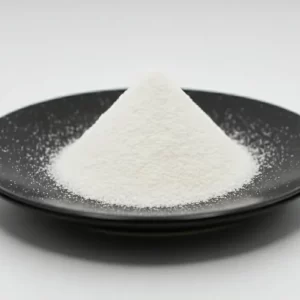
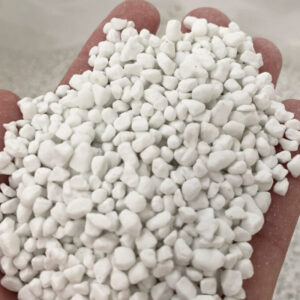
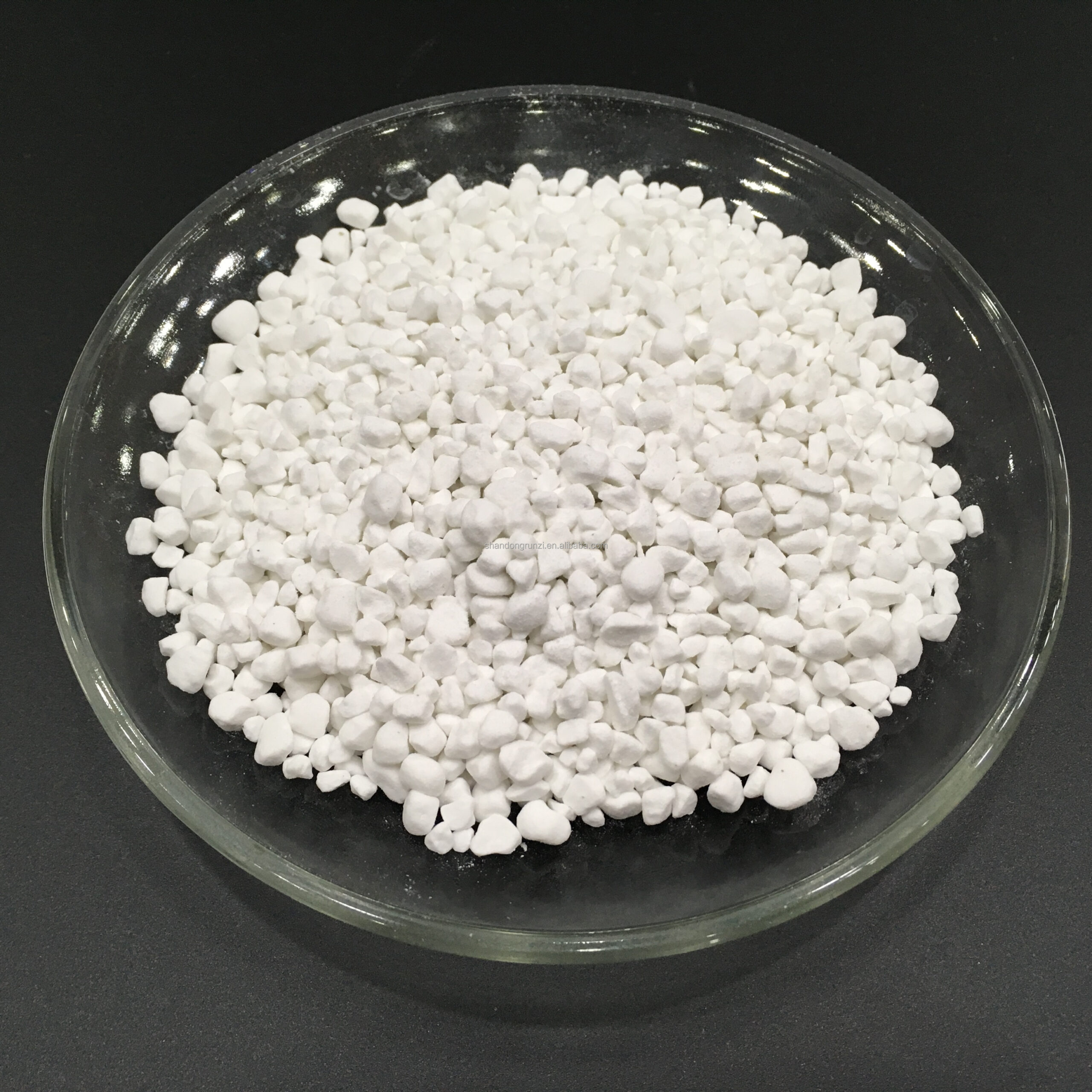
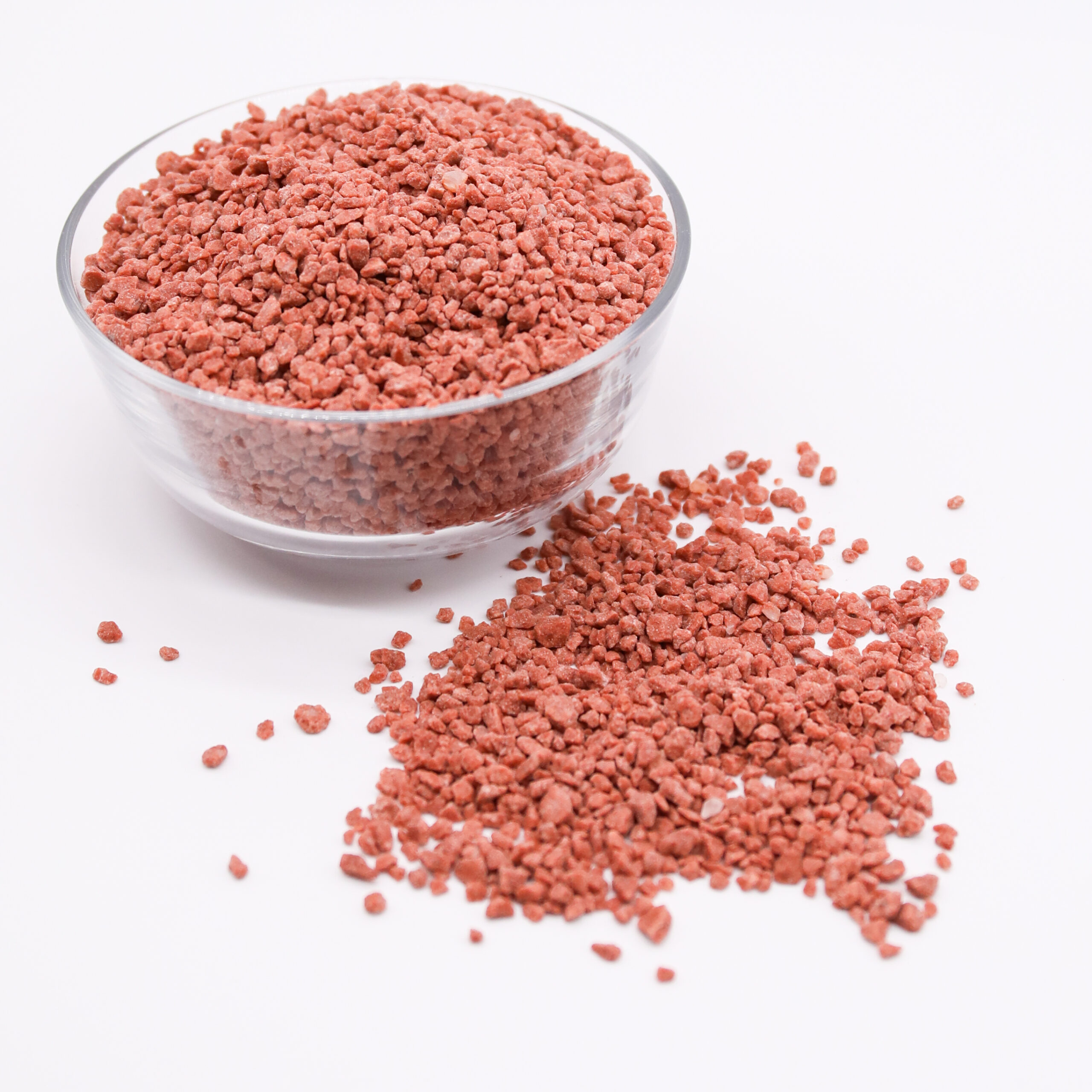
- Appearance: Red, pink, or white granules
The potassium content within MOP makes it one of the most concentrated potassium fertilizers available globally.
Analysis: 0-0-60; also available in slightly varying analyses
Also known as MOP 60% and Red Potash, Muriate of Potash 60% is conventionally mined from potassium-rich salts, most commonly potassium chloride (KCl). The ore is ground down and then filtered out by suspension.
Properties:
- Generally has a red or pink colour due to iron impurities
- Water soluble
- Granular product
- One of the oldest and most commonly used types of fertilizer
Advantages:
- Easy to handle and store
- Mixes well with most fertilizers
Application methods:
- Broadcast (surface-applied) or banded (adjacent to the seedbed)
Availability
Available from various external sources